
There are various types of bolt heads, and what are the differences between different bolt heads? The bolt head is the core load-bearing and operating component of fasteners, directly determining the fastening efficiency, connection reliability, and scene adaptability. The design of different head types has clear engineering basis.
I Head function
01. Provide force application points
The tightening force is received by the head, and the structure of the head directly determines the efficiency of torque transmission, avoiding slipping and slip angle failure during tightening.
02. Pressure bearing and dispersed loads
The head support surface presses down on the board, dispersing the pre tightening force and preventing the workpiece from being crushed by a single point of high pressure.
03. Overall connection reliability
Positioning and anti rotation functions, some special heads come with anti slip and stop surfaces, which limit the synchronous rotation of bolts when tightened, improving connection stability.
04. Adapt installation space to meet appearance and assembly interference requirements
Different heads are suitable for narrow spaces and can be installed in a recessed manner, with a smooth surface that does not interfere with equipment movement.
II Classification characteristics
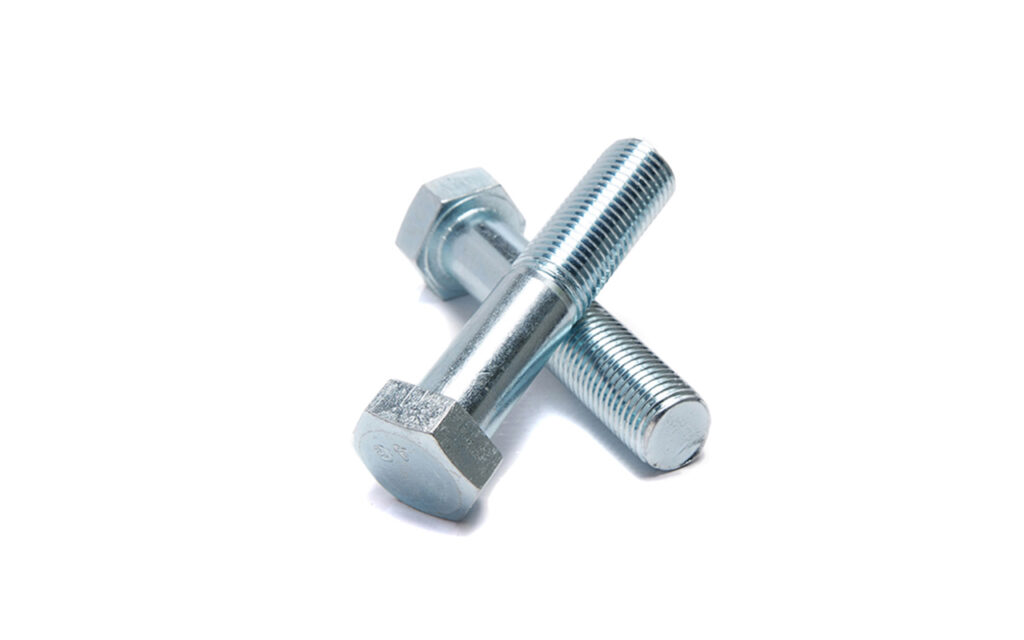
1. Ordinary hexagonal head bolt
Structural features: The head is a standard hexagonal shape, providing ample force space for the wrench. The six force surfaces can evenly distribute the torque of the wrench, making it the most versatile.
Shortcomings: No anti slip teeth, no enlarged pressure bearing surface; The pre tension force under vibration conditions decays quickly; The head protrudes high and the narrow space cannot be used.
Applicable scenarios: steel structures, equipment racks, ordinary supports and hangers, static ceiling keels, conventional mechanical connections.
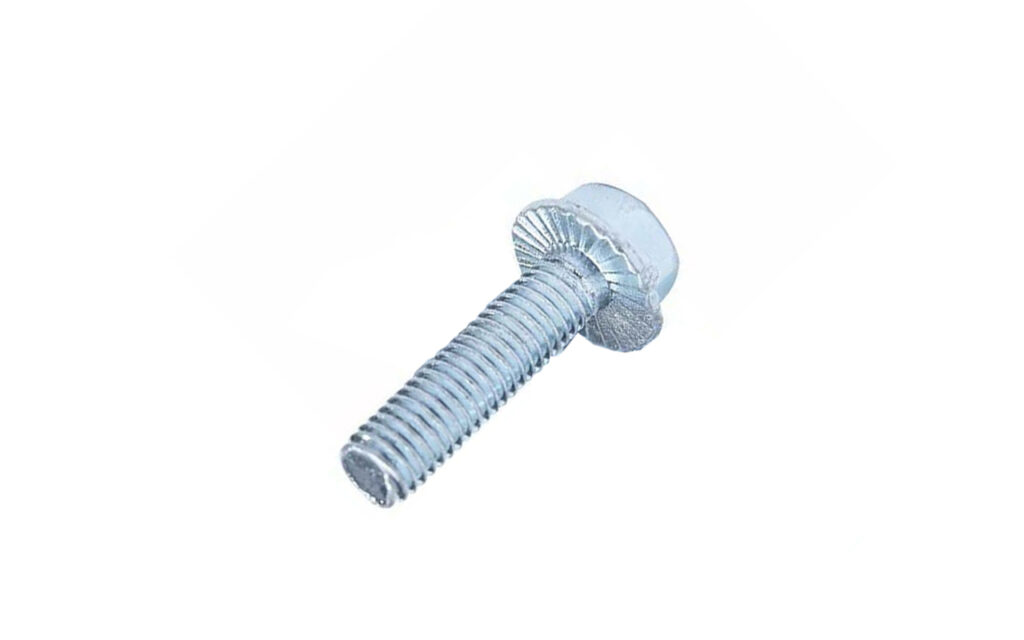
2. Flange head bolt
Structural features: The head comes with an integrated flange, eliminating the need for additional flat washers; The contact area is increased, which can disperse the pre tightening pressure, and the anti loosening effect is better than that of ordinary flat pad combinations, resulting in higher assembly efficiency. The flange tooth pattern structure can further enhance the anti micro slip and anti loosening ability.
Shortcoming: The outer diameter of the head is large, and the narrow space cannot be used; Teeth will leave indentations on the decorative surface.
Applicable scenarios: Fan suspended ceiling, air conditioning vibration equipment, light steel keel, outdoor steel structure, automotive equipment, wet and anti-corrosion working conditions.
3. Hexagonal socket head bolt
Structural features: The hexagonal head is concave, the inner hole is subjected to force, and it can be installed by sinking into the hole. It is not easy to slip during fastening and is suitable for narrow operating spaces.
Shortcoming: Specialized tools, high maintenance costs. The thickness of the inner hole wall is limited, and it cannot be tightened with excessive torque. High strength and heavy load can easily cause rounding and thread slippage.
Applicable scenarios: Mold tooling, industrial control equipment, aluminum profile frames, and internal assembly of precision instruments.
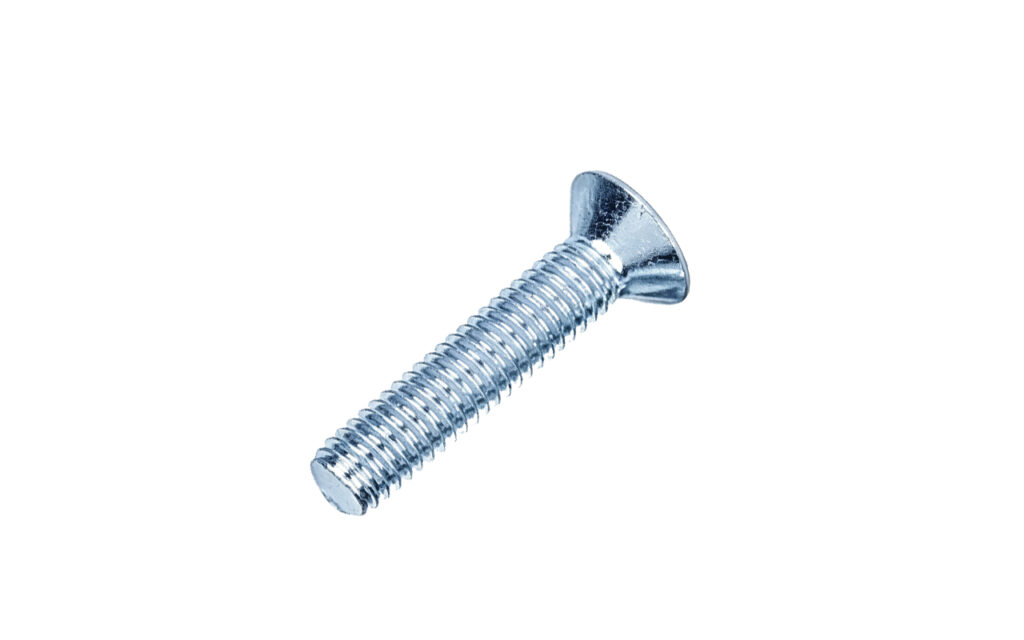
4. countersunk bolt
Structural features: The head is designed with a conical inclined surface, which can fully sink into the conical sinking hole of the workpiece after installation. The connecting surface is completely flat without protrusions and does not scratch the surrounding components.
Shortboard: The conical pressure surface is subjected to concentrated forces, and under heavy load and vibration conditions, it is prone to fracturing the plate and causing the sliding wire to fall off.
Applicable scenarios: decorative panels, cabinet doors, sheet metal shells, lightweight cover plates, static decorative fixation.
5. Square head bolt
Structural features: The head is square, which is not easy to slip off when the wrench is clamped, and the contact area under force is larger than that of the hexagonal head. It is a classic design for heavy-duty rough connections, suitable for adjusting pressure plates and fixtures.
Shortcomings: Can only be operated with an open-end wrench, slow assembly, not suitable for automation, rough appearance.
Applicable scenarios: Machine tool T-slots, fixtures, heavy-duty pressure plate equipment, adjustable bases.
III Selection criteria
1. Operating space
2. Load and anti loosening requirements (most critical)
3. Material of the connected component
4. Requirements for assembly efficiency
5. Appearance and interference (sliding, wrapping, fitting)
The bolt head may seem to have only a difference in shape, but it is actually the core key to mechanical load-bearing, anti loosening performance, and working condition adaptation.
Post time: 9月-10-2026