
In mechanical connections, building installations, and equipment maintenance, nuts are essential core fasteners - seemingly small parts that, when selected correctly, can ensure a secure connection and extend equipment life. Choosing the wrong one may lead to loosening, detachment, and even safety hazards. When selecting, when faced with a wide variety of nuts, are there differences in the use of different nuts? Which vibration condition should be used? What type of space hour should I choose? Below are nine commonly used nut introductions, let's see if there are any that interest you!
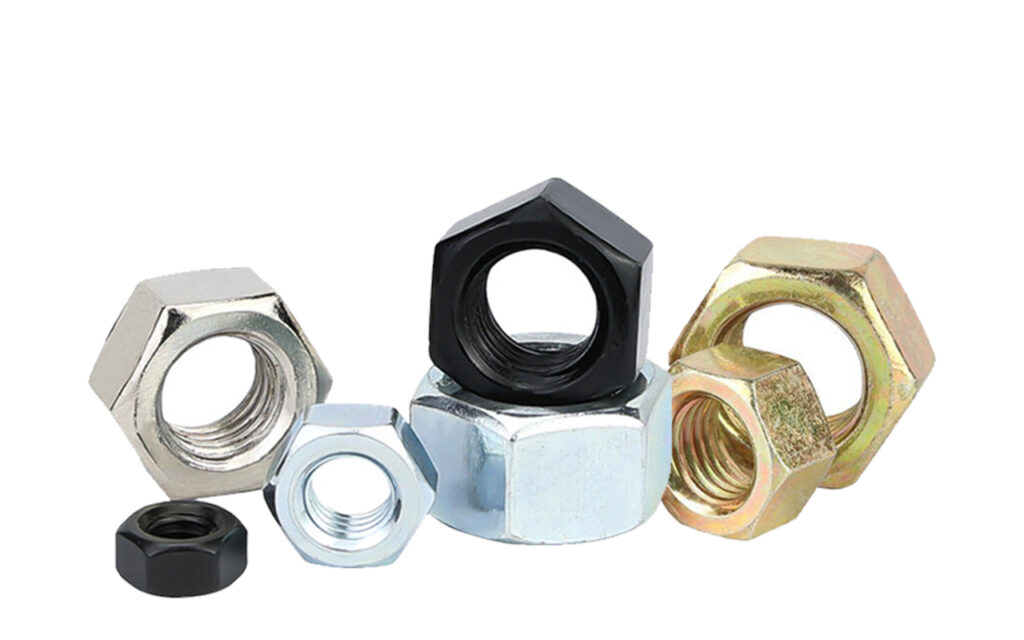
1. Hexagonal nut
Core features: Hexagonal nuts are the most common and widely used type, with a regular hexagonal shape, simple structure, easy processing, and the lowest cost. Suitable for wrench operation, with strong universality and low cost, covering most conventional connection scenarios.
Applicable scenarios: general mechanical equipment, steel structure connections, daily hardware installation, such as furniture fixation, equipment shell assembly, simple bracket connections, etc., it is preferred when there are no special requirements.
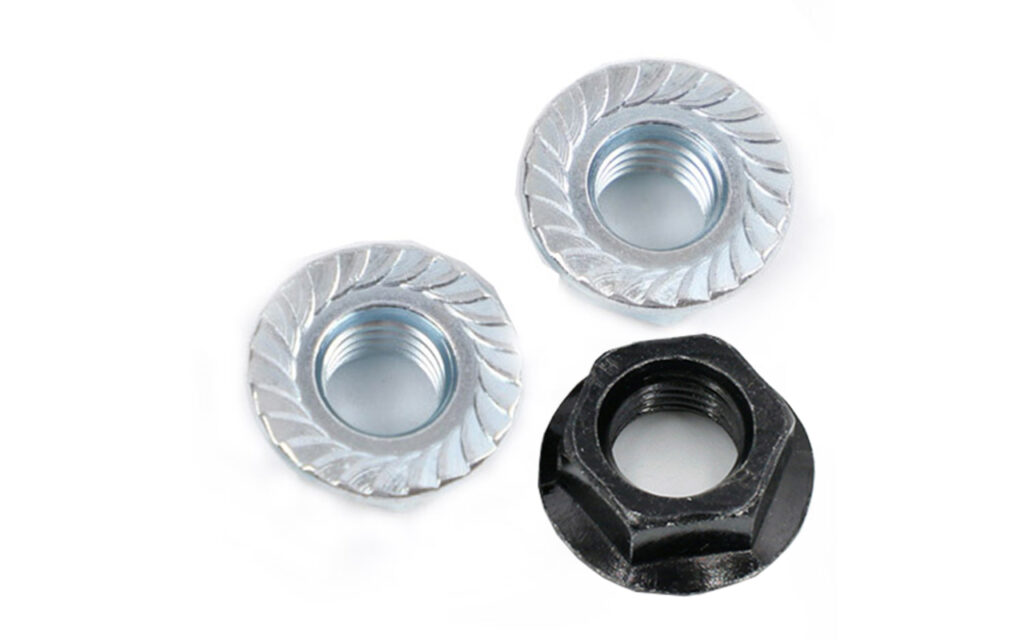
2. Hexagonal flange nut
Core feature: The bottom is equipped with a ring of flange (similar to a washer), which does not require additional flat washers and can increase the pressure bearing area to prevent damage to the workpiece surface when the nut is tightened; Some flange faces have anti slip serrations and come with a slight anti loosening effect.
Applicable scenarios: Thin plates, aluminum alloys, automotive sheet metal and other easily damaged workpieces, as well as scenarios that require simplified installation processes, replacing the combination of "nuts+flat washers" to improve installation efficiency.
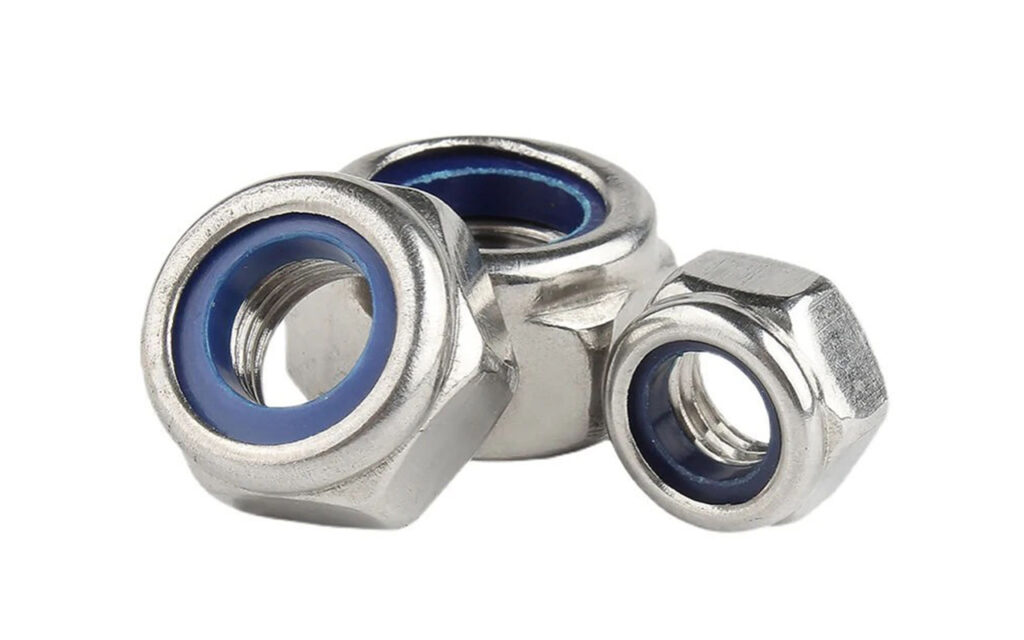
3. Nylon locking nut
Core feature: In vibration conditions, ordinary nuts are prone to loosening due to vibration. In this case, anti loosening/self-locking nuts must be selected to achieve locking through a special structure. The inner hole is embedded with a nylon ring, which tightly holds the bolt thread when tightened, relying on friction to achieve self-locking. It has a good anti loosening effect and will not damage the bolt thread, making it quiet and wear-resistant. But the high temperature resistance is average, and the applicable temperature does not exceed 120 ℃, avoiding use in high temperature environments.
Applicable scenarios: Automotive interiors, agricultural machinery, motors, household appliances, vibration pipelines, etc., are the most commonly used anti loosening nuts in daily vibration scenarios.
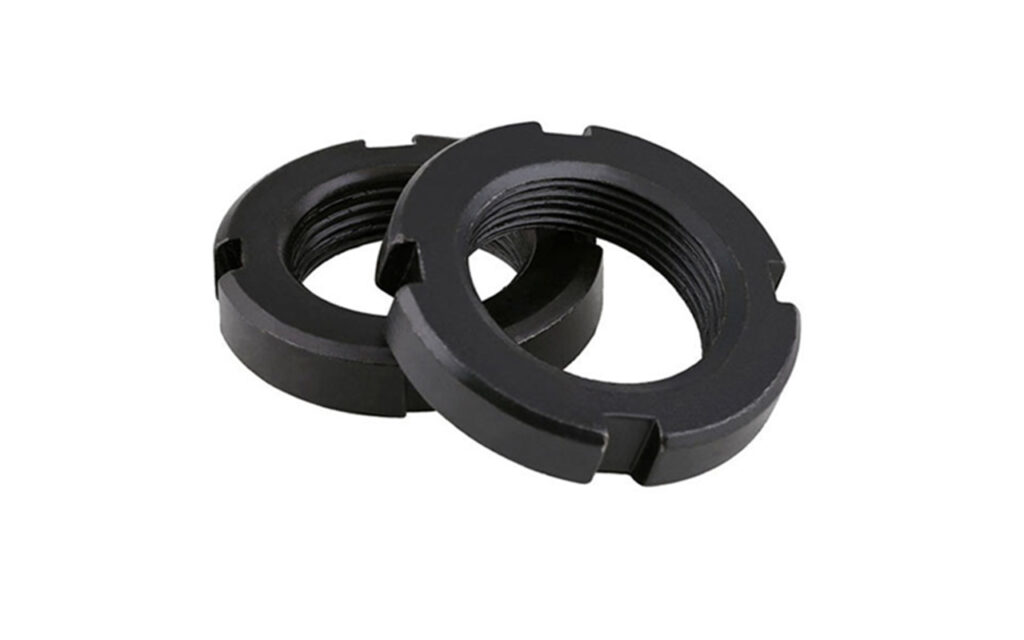
4. Round nut
Core features: The shape is circular, with 2-4 slots on the side, which need to be tightened with a hook wrench. Fine thread is often used, with high locking force, mainly used for axial positioning.
Applicable scenarios: Axial positioning of shaft components, bearings, and gears, such as motor shafts, reducers, and machine tool spindles, used to fix bearings and gears and prevent their axial movement.
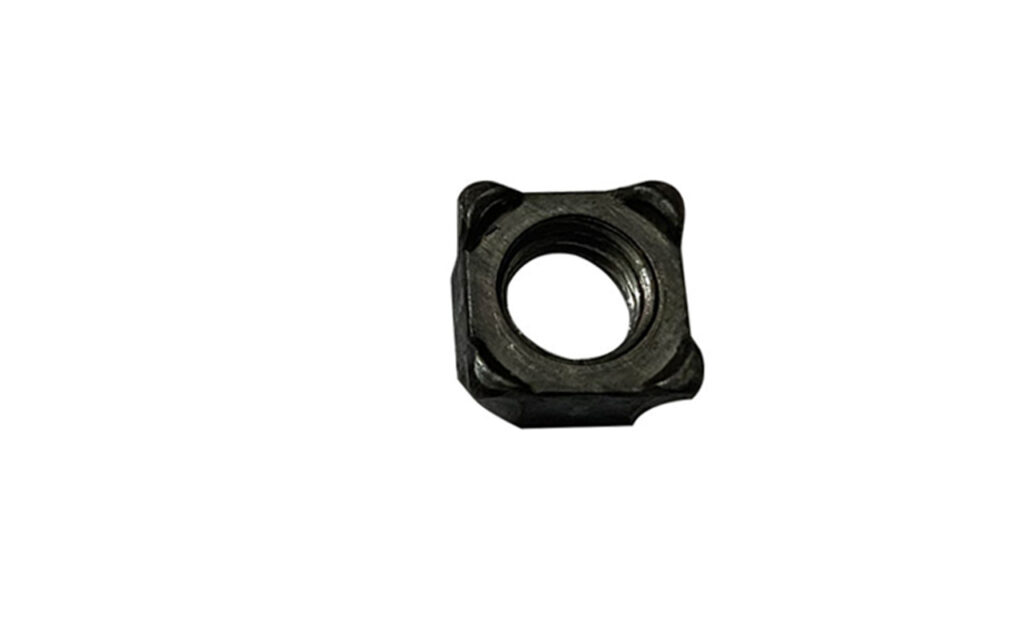
5. Welding nuts
Core features: The bottom has welding protrusions that can be directly welded to the surface of the workpiece without penetrating the workpiece. It is suitable for blind holes and closed structures, and the connection is firm and not easy to loosen after welding.
Applicable scenarios: automobile body, sheet metal box, steel structure, equipment shell, such as automobile sheet metal connection, internal fixation of box, and parts where through bolts cannot be used.
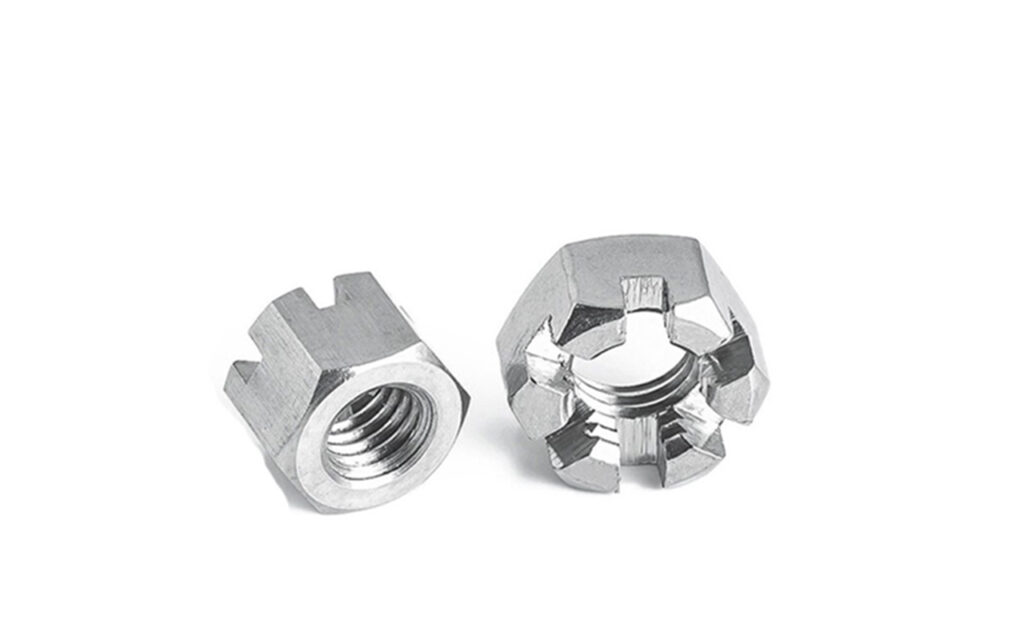
6. Slotted nuts
Core feature: The top of the nut has 2-4 slots, and after tightening, the open pin is inserted into the nut slot and the hole at the end of the bolt to fix the nut and bolt, achieving "absolute anti loosening" and unable to loosen on its own.
Applicable scenarios: Safety critical parts, such as automotive steering systems, machine tool spindles, wheel connections, marine equipment, etc., must use this anti loosening method for parts that may cause safety accidents if loosened.
7. T-shaped nut
Core features: It has a T-shaped shape and slides directly into the profile groove to the desired fixed position. When the accessories and bolts are placed, they are tightened directly. The nut is stuck in the groove and can be quickly locked and fixed. It has a standard internal thread in the middle and can be installed flexibly.
Applicable scenarios: industrial aluminum profile racks, equipment frames; Production line workbench, shelf fence; Automation equipment brackets and protective covers; Assembly of door and window frames, display racks, and computer cabinets; Woodworking fixtures and mold fixtures are fixed.
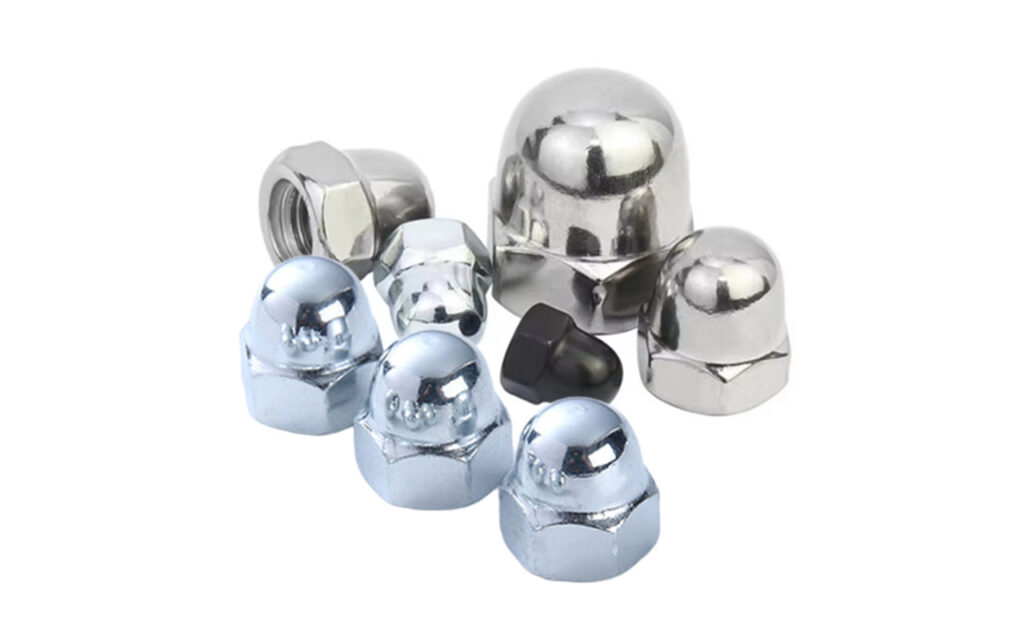
8. Cap nut
Core features: The top is a closed structure that can completely wrap around the bolt head, protecting the threads from dust and moisture erosion, preventing rust, and improving the appearance cleanliness. It also has anti loosening and decorative functions.
Applicable scenarios: bicycles, motorcycles, furniture, medical equipment, equipment with high appearance requirements, such as exposed furniture connectors and surface connections of instruments and meters.
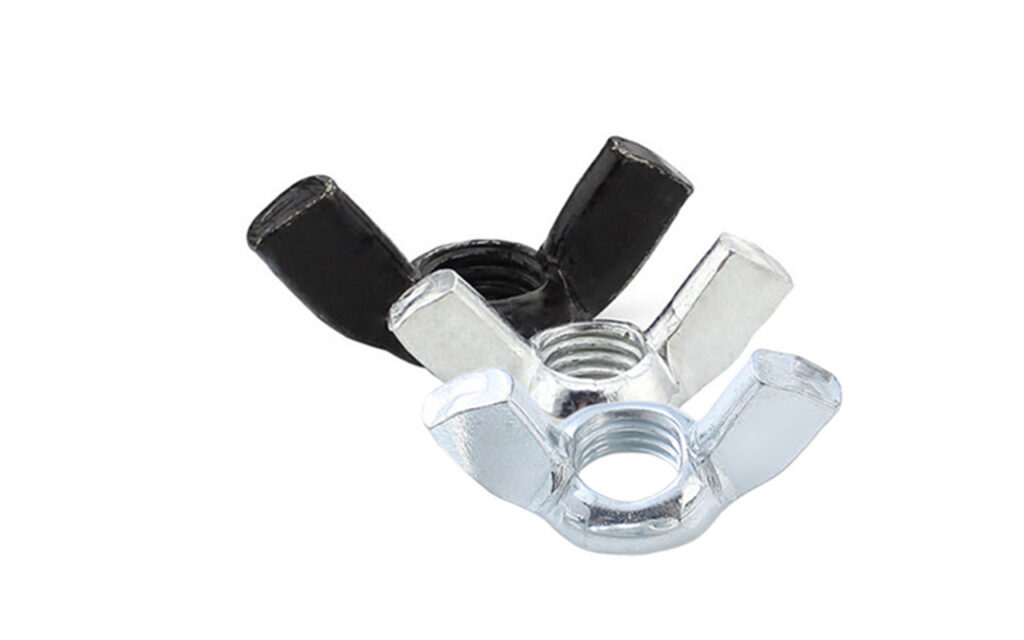
9. Butterfly nut
Core features: The appearance is in the shape of two wings, which can be tightened and disassembled by hand without the need for a wrench. The disassembly speed is fast and the operation is convenient, but the load-bearing capacity is weak and only suitable for light loads.
Applicable scenarios: frequent adjustment, light load connection, such as fixtures, valves, instruments, temporary fixing parts, such as experimental devices, adjustment parts of small brackets.
Post time: 9月-07-2026